
In this page only the peer-reviewed publications about CARAMEL project are reported (they are also available in SCOPUS).

- 1. Recent improvements in salt-assisted and microwave-assisted recovery methods for sustainable metal extraction from NCM cathodes in spent lithium-ion batteries: a review,Separation and Purification Technology, Volume 363, Part 1, 14 August 2025, 131918 (https://doi.org/10.1016/j.seppur.2025.131918)
- Abstract: The increasing adoption of electric vehicles has generated a pressing need for sustainable management of end-of-life lithium-ion batteries (LIBs), particularly those utilizing nickel-rich layered oxide cathodes (NCM). This review critically examines recent advancements in recycling technologies, focusing on innovative methods such as salt-assisted roasting and microwave-assisted thermal treatments, as well as their combined applications. These approaches demonstrate promising potential to enhance the selective recovery of critical metals like lithium, nickel, cobalt, and manganese, while addressing environmental and economic challenges. Additionally, the review highlights sustainability assessments and identifies key gaps in the current literature, emphasizing the need for integrated strategies to minimize energy consumption and environmental impact. By providing a comprehensive analysis of these emerging recovery methods, this work aims to guide future research and industrial adoption, contributing to a circular economy for LIBs.
- 2. Sample preparation procedures for elemental analysis of critical raw materials in lithium-ion battery black mass: Challenges responding to the supplementary battery recycling regulation, Journal of Environmental Management, Volume 380, April 2025, 124973 (https://doi.org/10.1016/j.jenvman.2025.124973).
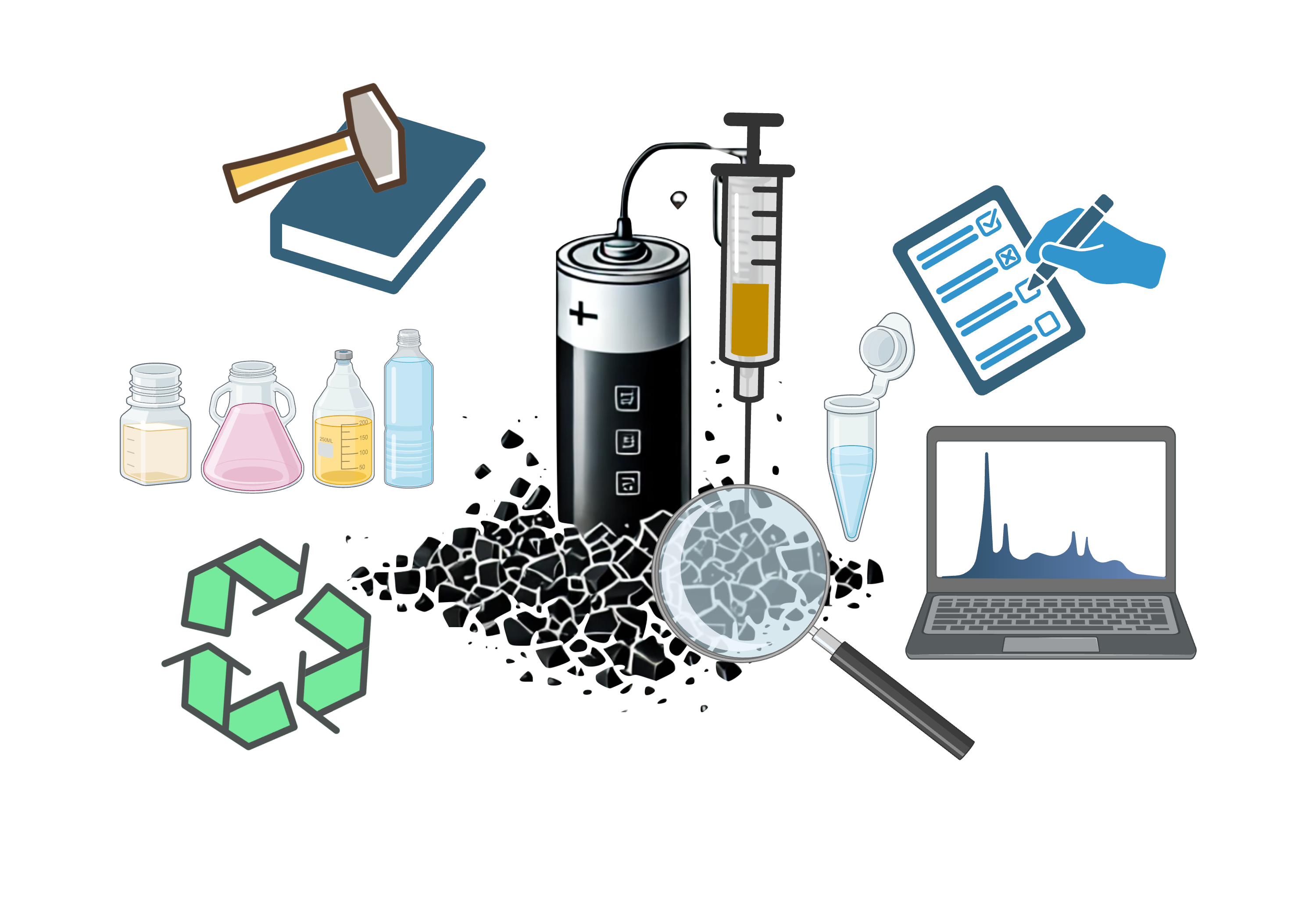
- Abstract: Accurate assessment of black mass (BM) composition is critical for implementing the European Commission’s proposed methodology for calculating and verifying recycling efficiency and material recovery from waste lithium-ion batteries (LIBs). BM, derived from spent LIBs, presents analytical challenges due to its complex matrix and high-carbon content, which can impede complete dissolution and bias recovery calculations. Incomplete BM digestion and inconsistencies in analytical methods can lead to overestimated recycling efficiencies. This study evaluates and optimizes sample preparation strategies, including digestion protocols and analytical techniques, to reliably extract and quantify critical metals such as lithium, cobalt, nickel, and manganese. To address these issues, we propose standardized digestion procedures and highlight the suitability of techniques like TXRF, which mitigate matrix effects and enhance data reliability. This research underscores the importance of defining clear standards and methodologies in the regulatory framework, ensuring that reported recovery rates accurately reflect true recycling efficiencies. Finally, this work proposes some regulatory and policy improvements, intending to better align with the EU’s sustainability goals, promoting reliable data, advancing circular economy objectives, and supporting the broader energy transition.
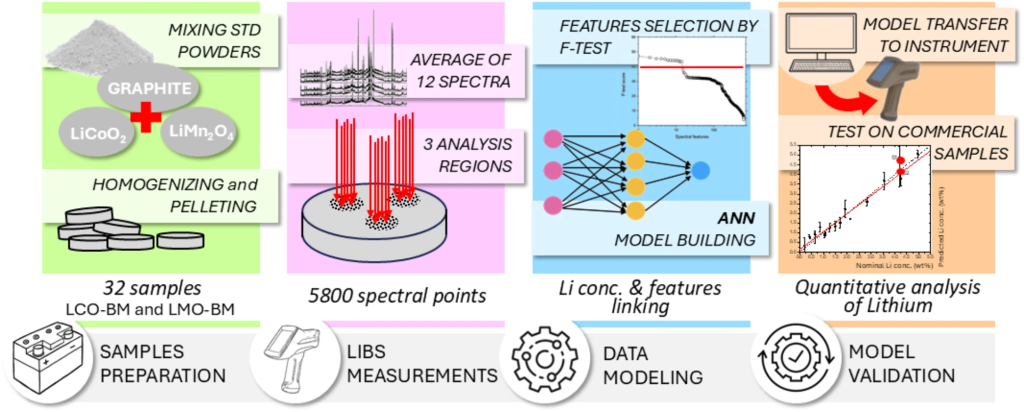
- 3. Determination of lithium concentration in black mass using laser-induced breakdown spectroscopy hand-held instrumentation, Scientific Reports, 15 Article number: 17483 (2025), (https://doi.org/10.1038/s41598-025-90379-4https://doi.org/10.1038/s41598-025-90379-4).
- Abstract: Lithium has become one of the most strategic materials in the industry, given its wide use for the realization of efficient energy storage devices and for improving the chemical and physical characteristics of advanced ceramic and glass materials. Its widespread use in the last decades has also posed problems for its recovery and recycling, mostly from exhaust Li-ion batteries, which are mechanically treated to obtain the black mass. The black mass is a carbon-based material derived from the cathodic and anodic components of the batteries, containing several metals, as for example cobalt and nickel, along with lithium in varying quantities. Therefore, it is important to develop fast and accurate techniques for determining the black mass composition. This information is also essential for optimizing the extraction processes of lithium or other metals from the black mass. In this paper, we employ automated data processing using an Artificial Neural Network (ANN) to analyze spectra acquired from black mass equivalent materials with a commercial hand-held Laser-Induced Breakdown Spectroscopy (LIBS) instrument, enabling the determination of lithium content from a minimal set of spectral features. Additionally, we compare the results obtained for real black mass with reference values from other elemental analysis techniques. The combination of the ANN algorithm speed and robustness with the reliability of the LIBS instrument demonstrates the feasibility of accurate determination of the lithium content in black mass with a minimum treatment of the samples and on very different matrices.
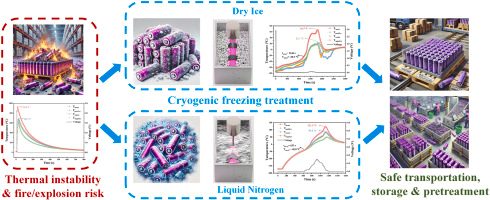
- 4. Exploring the viability of cryogenic freezing for safe pretreatment in lithium-ion battery recycling,Renewable Energy Volume 252, 15 October 2025, 123481, Renewable Energy Volume 252, 15 October 2025, 123481 (https://www.sciencedirect.com/science/article/abs/pii/S0960148125011437)
- Abstract: Recycling of massive spent lithium-ion batteries (LIBs) is urgently required with the development of electric vehicles and energy storage industries. However, due to their complex composition and uncertain state, spent LIBs pose significant fire hazards during the recycling process. In this work, liquid nitrogen (LN) and dry ice (DI) were utilized as refrigerants to investigate the inerting mechanism and thermal stability of spent LIBs. Post-mortem and thermal analyses indicated that when spent LIBs are subjected to low temperatures (below −60 °C), the solidification of the electrolyte and the separation of internal components cause an increase in internal resistance, leading to a drop in terminal voltage where it cannot deliver energy. Nail penetration tests demonstrated that cryogenic freezing effectively suppresses thermal runaway, reducing peak internal battery temperatures from 921.2 °C to below 150 °C, with a temperature rise rate suppressed to under 3 °C/s. Additionally, DI exhibited a more sustained cooling effect than LN and is proposed as a safer and more cost-effective alternative for enhancing safety in LIBs recycling.
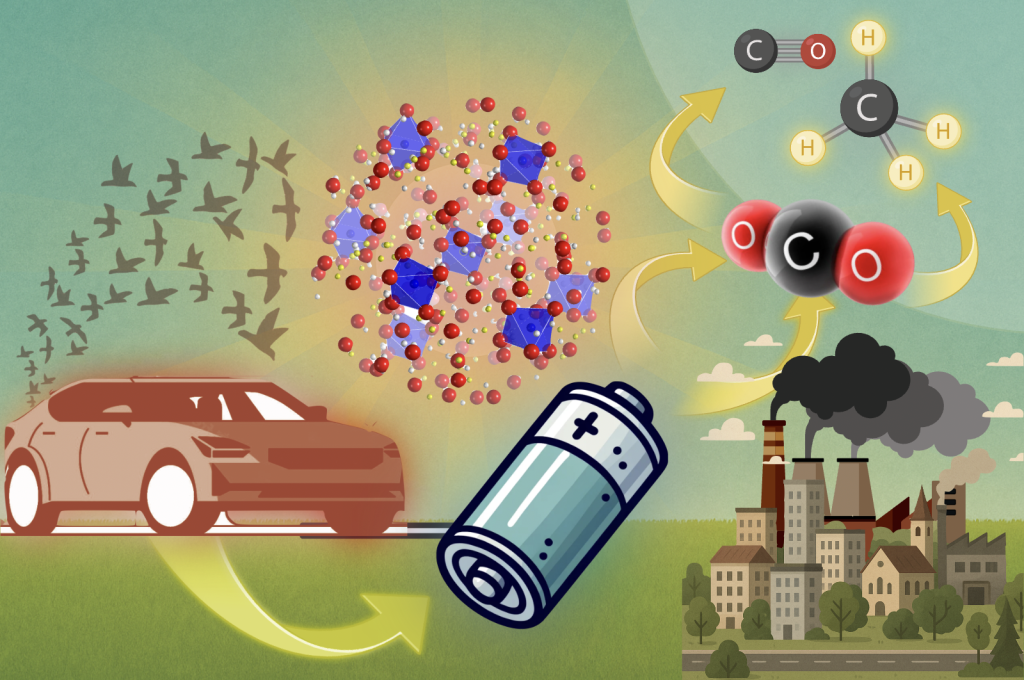
- 5. Performances and structural evolution of a new critical raw materials-free catalyst, synthesized from spent lithium-ion batteries, for solar-driven CO₂ conversion, Green Chemistry https://doi.org/10.1039/D5GC02583D
- Abstract: The development of next-generation catalysts is crucial for advancing sustainable CO₂ conversion technologies and addressing pressing environmental challenges. This work integrates green chemistry principles by combining CO₂ valorization, waste recovery, and renewable energy use, demonstrating a sustainable and circular approach to catalyst discovery and application. This study investigates the functional and structural properties of a novel malate-based catalyst synthesized starting from spent lithium-ion battery waste, developed after lithium recovery. Under solar photothermo-catalytic conditions, the catalyst showed excellent CO₂-to-solar fuel conversion (CO and CH₄) at low temperatures, with a CH₄ selectivity > 80%, compared to classical catalysts based on critical raw materials. X-ray pair distribution function analysis was used for the first time to reveal a significant structural transformation: the catalyst undergoes a transition from a crystalline resting state to an amorphous, catalytically active shell during reaction, significantly enhancing the material efficiency. A preliminary sustainability analysis shows that the embodied energy and carbon footprint values associated with the synthesis of the new malate are comparable with those of the classical catalysts used for this application, based on ceria, titania, and bismuth.
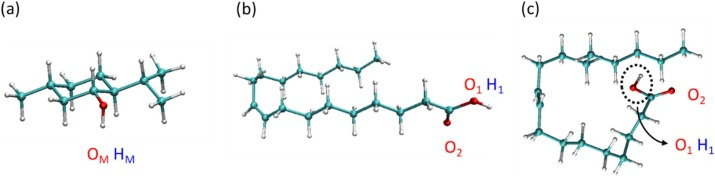
- 6. Low melting mixtures from waste as leaching agents for black mass processing, Journal of Molecular Liquids, Volume 435, 1 October 2025, 128161, https://doi.org/10.1039/D5GC02583D
- Abstract: The search for suitable solvometallurgy alternatives to classic hydrometallurgy for the extraction of critical elements such as Li, Co, Ni, and Mn mixed Black Mass (BM) obtained from spent Li-ion batteries is a target of primary importance. This approach, although effective at the laboratory scale, lacks sustainability when applied to the large volumes typical of industrial productions. Herein, a circular fabrication of two leaching agents is presented. Starting from waste cooking oils, which were recycled and subjected to chemical hydrolysis, glycerol and a mixture of long-chain Free Fatty Acids (FFAs) were obtained. The glycerol was mixed with water (1:3 M ratio) to obtain a leaching medium with low viscosity, while the FFAs were combined with menthol to produce a set of low melting mixtures. The determination of their eutectic composition was achieved by DFT calculations and 1H NMR spectroscopy. Both systems were tested as leaching agents for processing a mixed BM showing promising lithium removal rates and selectivity.
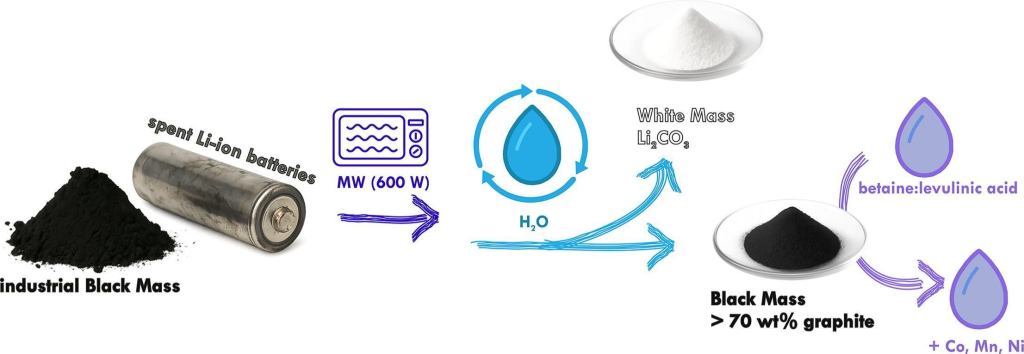
- 7. Selective and sustainable recovery of lithium from black mass via microwave and green leaching techniques,Materials Science and Engineering: B, Volume 323, January 2026, https://doi.org/10.1016/j.mseb.2025.118734
- Abstract: The growing demand for lithium-ion batteries (LIBs) has intensified the need for efficient and sustainable recycling processes to recover critical metals such as lithium, cobalt, Ni, and Mn from spent batteries. This study presents a novel microwave-assisted pyrometallurgical-hydrometallurgical approach for the selective and high-yield recovery of Li and from industrial black mass (BM). The process integrates microwave-induced carbothermic reduction with a two-step leaching strategy, water leaching for Li2CO3 recovery and deep eutectic solvent (DES)-based leaching for Co, Ni, and Mn extraction. Advanced characterization techniques (SEM/EDS, ICP, XRD) confirmed the selective separation of metals. In the optimized version, the proposed process allowed up to 85% Li efficiency. A sustainability assessment using the ESCAPE index demonstrated the environmental advantages of this method over conventional acid-based hydrometallurgy. This scalable and eco-friendly process offers a suitable pathway for Li recovering from spent LIBs, aligning with circular economy principles and future industrial implementation.
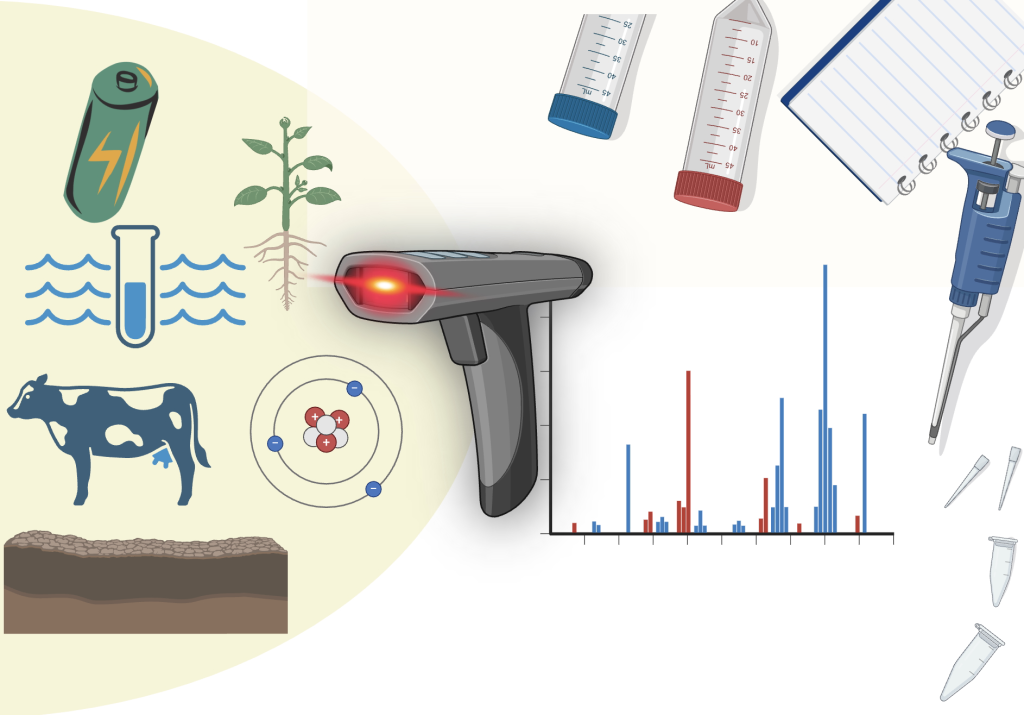
- 8. Laser-Induced Breakdown Spectroscopy Analysis of Lithium: A Comprehensive Review, Sensors 2025, 25(24), 7689; https://doi.org/10.3390/s25247689
- Abstract: Lithium has emerged as a pivotal material for the global energy transition, yet its supply security is challenged by limited geographical availability and growing demand. These constraints highlight the need for analytical methods that are not only accurate but also sustainable and deployable across the entire lithium value chain. In this context, Laser-Induced Breakdown Spectroscopy (LIBS) offers distinctive advantages, including minimal sample preparation, real-time and in situ analysis and the potential for portable and automated implementation. Such features make LIBS a valuable tool for monitoring and optimizing lithium extraction, refining and recycling processes. This review critically examines the recent progress in the use of LIBS for lithium detection and quantification in geological, industrial, biological and extraterrestrial matrices. It also discusses emerging applications in closed-loop recycling and highlights future prospects related to the integration of LIBS with artificial intelligence and machine learning to enhance analytical accuracy and material classification.
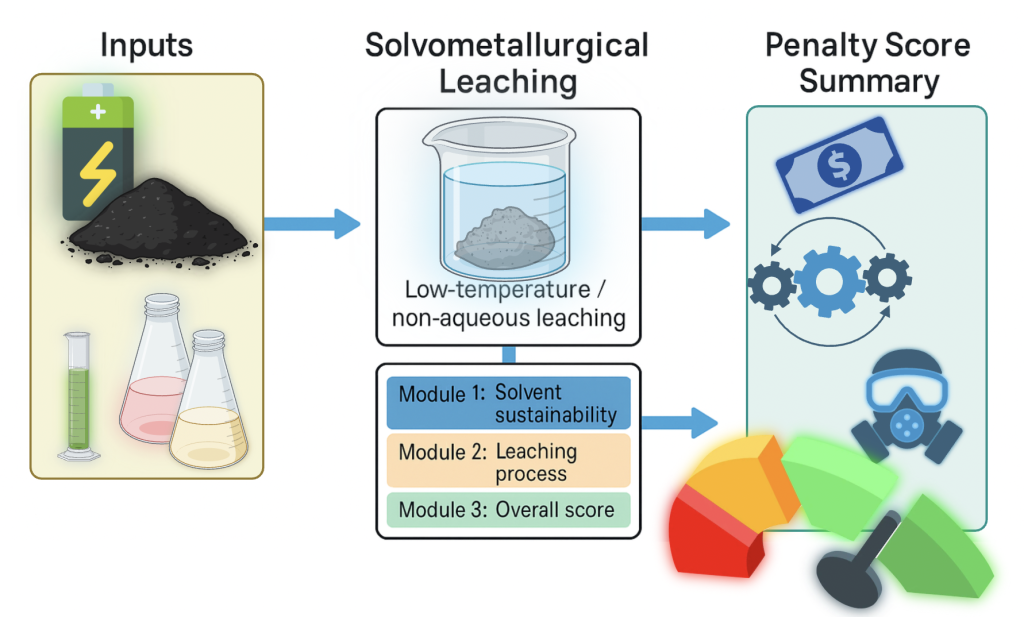
- 9. Assessing the Sustainability of Solvometallurgy for Black Mass Processing – the LEACH (Low-impact Extraction and Assessment of Chemical Hydrometallurgy) Tool, Green Chemistry 2026; https://doi.org/10.3390/s25247689
- Abstract: The sustainable recovery of critical raw materials such as cobalt from spent lithium-ion batteries (LIBs) is a pressing challenge, particularly as the demand for electrification accelerates. Solvometallurgy, and in particular the use of deep eutectic solvents (DESs), has emerged as a promising alternative to conventional hydrometallurgical and pyrometallurgical approaches due to its potential for enhanced selectivity, reduced environmental impact, and process modularity. However, the scalability of DES-based leaching remains limited by economic, technical, and safety concerns often overlooked during early-stage research. To address this gap, we present LEACH (Low-impact Extraction and Assessment of Chemical Hydrometallurgy), a modular, penalty-based tool designed to evaluate the sustainability of emerging solvometallurgical processes. Inspired by the EcoScale framework, LEACH incorporates economic, technical, and occupational safety criteria, assigning penalty points that reflect deviations from an ideal process. The tool is structured in three modules—solvent formulation, black mass leaching, and overall process evaluation—allowing for detailed diagnostics and early identification of sustainability bottlenecks. LEACH was applied to two case studies targeting cobalt extraction from black mass using DESs based on choline chloride combined respectively with citric acid or ethylene glycol. While Process 1 (citric acid-based, mild conditions) achieved a higher final score (43.5/100) than Process 2 (ethylene glycol-based, high temperature), both processes were classified as non-ideal (score < 50), underscoring significant limitations in terms of recyclability, toxicity, and regulatory compliance. Notably, safety-related penalties emerged as critical barriers to scale-up, highlighting the importance of integrating occupational hazard assessments from the outset. Overall, LEACH offers a practical, flexible, and safety-conscious approach to guide the design and optimization of sustainable solvometallurgical processes, aligning with Safe-and-Sustainable-by-Design principles and supporting more responsible LIB recycling technologies.
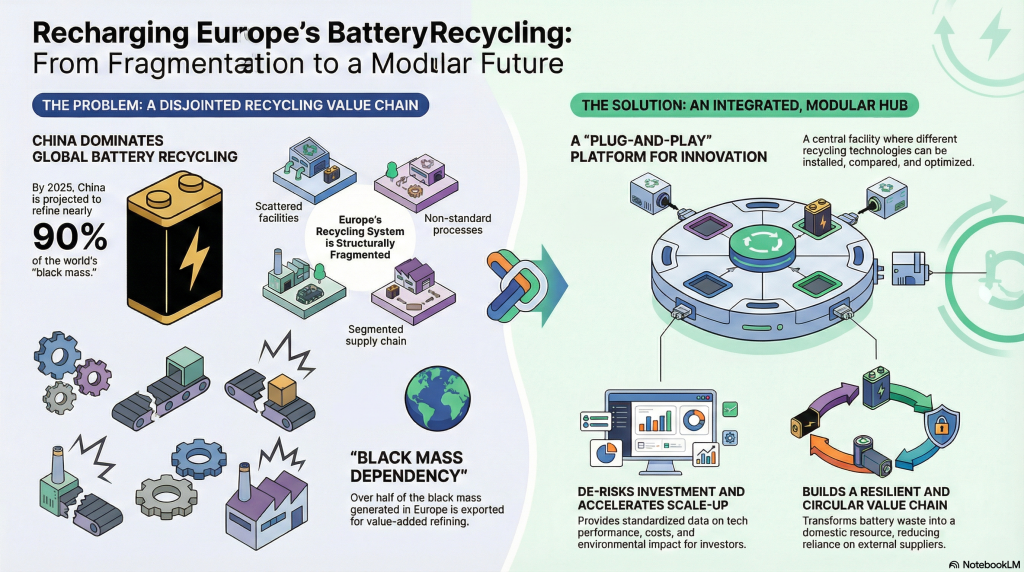
- 10. Toward a modular and integrated approach to lithium-ion battery recycling: from fragmentation to strategic research globalization,Resources, Environment and Sustainability 2026; https://doi.org/10.3390/s25247689
- Abstract: The paper argues that Europe’s lithium-ion battery (LIB) recycling is held back by fragmentation—scattered capacities, non-harmonized routes and weak comparability—which contributes to “black mass dependency” and significant exports of black mass, with loss of value and know-how. It contrasts this with China’s advantage from vertically integrated, co-located recycling and manufacturing ecosystems. As a solution, the authors propose an integrated, modular “plug-and-play” recycling center to benchmark and optimize multiple recycling pathways (mechanical, thermal—including microwave—hydromet, and possible direct regeneration) under standardized analytics, shared reference data, and consistent TEA/LCA metrics (energy and cradle-to-gate emissions). The goal is a transparent framework that accelerates scale-up and resilience as battery chemistries evolve.
- 11. Microwave-Assisted Recycling of Lithium-Ion Batteries: Linking Process Optimization to Volatile Organic Compounds and Fluorinated Gases Emission Mitigation, Battery Energy 2026;https://doi.org/10.1002/bte2.70089
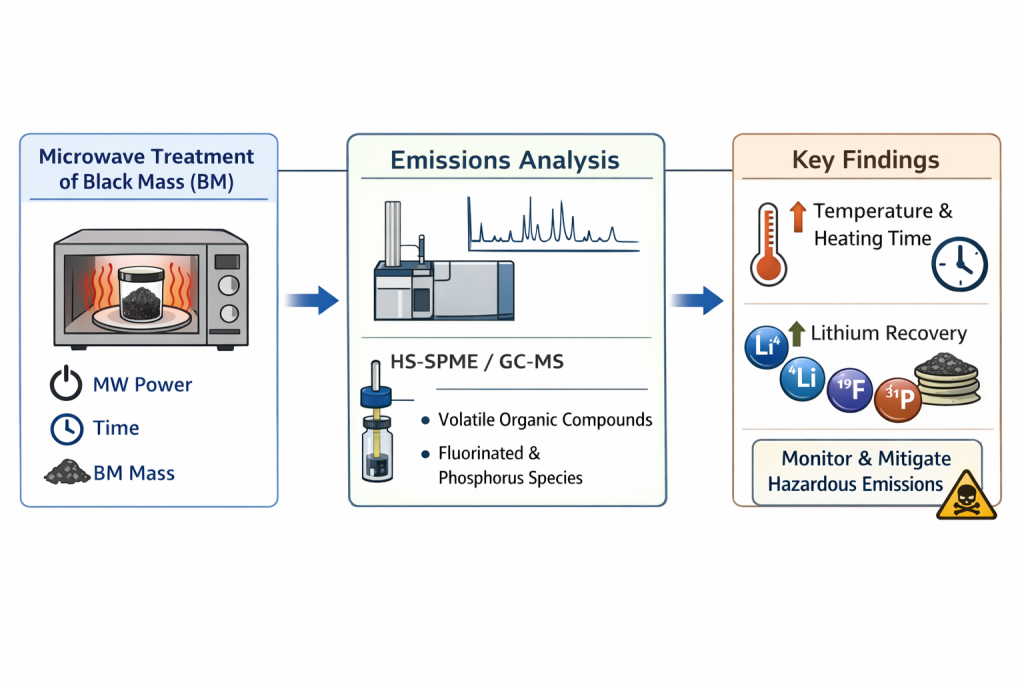
- Abstract: This work investigates the volatile fraction released from black mass (BM) obtained from spent lithium-ion batteries subjected to microwave (MW) thermal treatment. MW processing is emerging as an alternative to conventional pyrometallurgy for improving energy efficiency and recovery of critical metals such as lithium, yet the associated emission profile remains poorly characterized. However, the studies of the emissions associated with these treatments are quite limited. Here, a multilevel full factorial Design of Experiments is applied for the first time to evaluate the influence of MW power, exposure time, and BM mass on heating dynamics and lithium extraction efficiency. Volatile organic compounds generated during MW processing are identified by headspace solid-phase microextraction coupled to gas chromatography–mass spectrometry (HS-SPME/GC-MS), showing a complex mixture of aliphatic and aromatic hydrocarbons, carbonate esters, and phosphorus- and fluorine-containing species. Multinuclear NMR spectroscopy (¹H, ⁷Li, ¹⁹F, ³¹P) confirms the presence of electrolyte-derived residues such as Li⁺, PF₆−, and phosphate esters. The combined analytical approach clarifies degradation pathways during MW heating and highlights the need to monitor and mitigate the formation of potentially hazardous volatile species in future MW-assisted recycling processes. Statistical models reveal that the time to reach 600°C and the maximum temperature depend primarily on power and exposure time, while Li recovery is governed by BM mass and its interaction with power.
- 12. Selective cobalt recovery from battery black mass enabled by eutectic effect in choline chloride-based deep eutectic solvents, Journal of Molecular Liquids 2026;https://doi.org/10.1016/j.molliq.2026.129721
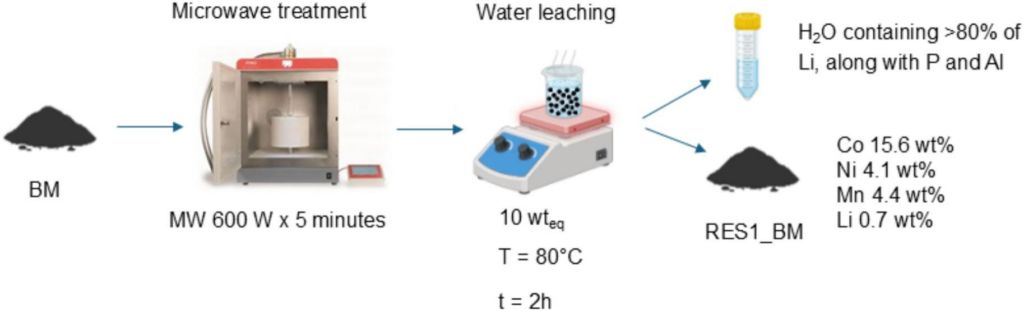
- Abstract: The selective recovery of critical metals from end-of-life lithium-ion batteries is essential for closing material loops and reducing reliance on primary resources. Deep eutectic solvents (DESs) have emerged as promising alternatives to conventional hydrometallurgical systems, yet the extent to which their eutectic structure governs metal dissolution and selectivity remains unclear. Herein, we present a systematic solvometallurgical study addressing this knowledge gap through a direct comparison between choline chloride-based DESs and composition-matched aqueous analogues in the leaching of battery black mass. A microwave-assisted water treatment removed over 80% of lithium, phosphorus, and aluminium, yielding a residue enriched in cobalt, nickel, and manganese. Subsequent leaching experiments using choline chloride-based DESs (choline chloride:ethylene glycol, choline chloride:glycerol, and choline chloride:Urea) revealed that these systems show markedly different behaviour than their aqueous counterparts, suggesting that enhanced extraction may be associated with eutectic effects, as the individual components and their aqueous analogues fail to reproduce the observed performance. Among the investigated systems, choline chloride:ethylene glycol achieved the highest cobalt extraction and an exceptional cobalt selectivity of 97.1% over nickel and manganese, corresponding to a synergy factor of 19 relative to aqueous analogues. Choline chloride:glycerol also exhibited strong cooperative effects, with high cobalt selectivity (87.2%) and enhanced manganese dissolution, whereas choline chloride:Urea showed limited cobalt extraction and poor selectivity. Aging and alkaline treatment tests further demonstrated that DES composition critically controls metal-solvent interactions and solution stability. ChCl:EG and ChCl:GLY form highly stable metal-DES complexes, with less than 2% spontaneous cobalt precipitation after five days;under alkaline conditions, no precipitation is observed for ChCl:GLY even at pH 14. In contrast, ChCl:Urea undergoes extensive and non-selective metal precipitation, leading to co-recovery of cobalt, nickel, and manganese. Overall, this work provides evidence that DESs may influence metal dissolution beyond simple solvent effects. To complement the extraction and mechanistic results, the sustainability of the three DES systems was evaluated using the LEACH framework, which assesses solvometallurgical processes across economic, technical, and safety dimensions. This analysis revealed clear differences in overall sustainability between the DESs, highlighting the critical role of solvent composition, stability, and recyclability in determining process viability.
- 13. An Integrated Chemicals-Free Circular Model for Lithium Recovery From Spent Batteries to Direct Lithium Extraction From Brines, Journal of Battery Energy 2026; https://doi.org/10.1016/j.molliq.2026.129721
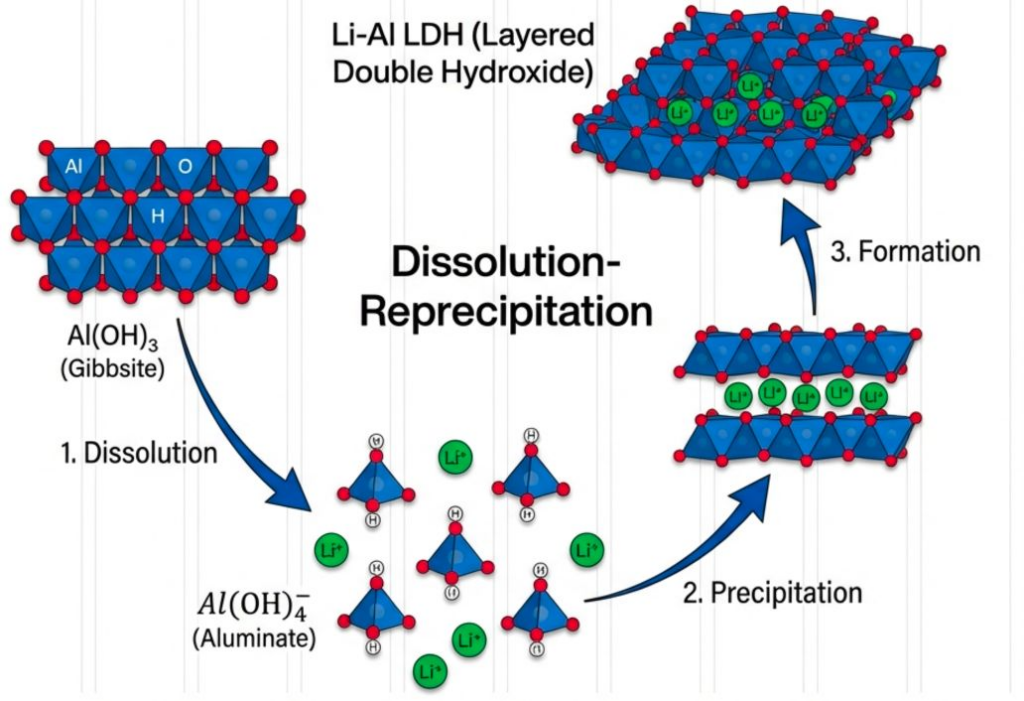
- Abstract: The growing demand for lithium calls for integrated strategies that combine resource recovery with sustainable material synthesis. Here, we demonstrate a patented chemicals-free circular approach that converts real spent lithium-ion battery black mass into functional lithium–aluminum layered double hydroxide (Li/Al-LDH). The process integrates a 5-min microwave-assisted carbothermic treatment, water-only leaching, and spontaneous precipitation, enabling the formation of crystalline Li/Al-LDHs alongside high-purity Li₂CO₃ without the use of added chemical reagents. Structural characterization by synchrotron pair distribution function analysis, XRD, and SEM confirms the formation of phase-pure LDHs with a hierarchical nanosheet-based morphology and an exceptionally high surface area (more than 400 m2 g−1). Preliminary adsorption–desorption experiments demonstrate the ability of the synthesized Li/Al-LDHs to reversibly exchange lithium ions, supporting their potential application as sorbents for lithium recovery from aqueous systems. The sustainability analysis reveals a reduction of 60%–90% in environmental impacts, including embodied energy and carbon footprint, compared to conventional LDH synthesis routes. This work establishes for the first time a direct link between battery recycling and lithium extraction technologies, providing a scalable pathway toward a circular and low-carbon lithium economy.
- 14. Enhancing Safety in Spent Lithium-Ion Battery Recycling: A Case Study of a Fire and Explosion Accident in China, Journal of Loss Prevention in the Process Industries 2026; https://doi.org/10.1016/j.jlp.2026.106112
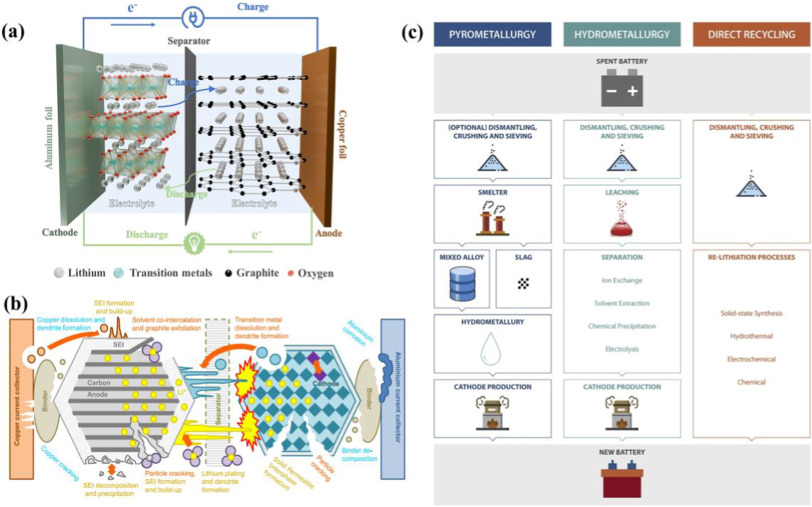
- Abstract: The rapid growth of electric vehicles and energy storage systems has made the recycling of spent lithium-ion batteries (LIBs) increasingly important. However, fire and explosion risks in industrial recycling processes remain insufficiently understood, particularly those associated with process-derived residues and temporary storage. This study analyzes a fire and explosion accident that occurred at Brunp Recycling Technology Co., Ltd. in Hunan, China, in January 2021, which caused one fatality, 18 injuries, and direct economic losses of approximately USD 0.88 million. Based on official accident reports, environmental impact assessment documents, and public media information, the accident process, root causes, and safety implications were examined. The analysis shows that the accident was not initiated by battery thermal runaway, but by aluminum (Al)-containing dross generated during the separation of waste cathode foils. Residual dilute acid and moisture in the Al-containing dross enabled metallic Al to release heat and generate hydrogen under poorly ventilated storage conditions. The prolonged accumulation of dross and inappropriate initial water-based firefighting further promoted accident escalation, leading to a coupled hydrogen and combustible-metal explosion. This case demonstrates that safety assessment in spent LIB recycling should extend beyond batteries themselves and include process residues, storage conditions, ventilation, flammable gas monitoring, and firefighting strategies. Strengthened process hazard analysis and residue-specific safety management are essential for preventing similar accidents.
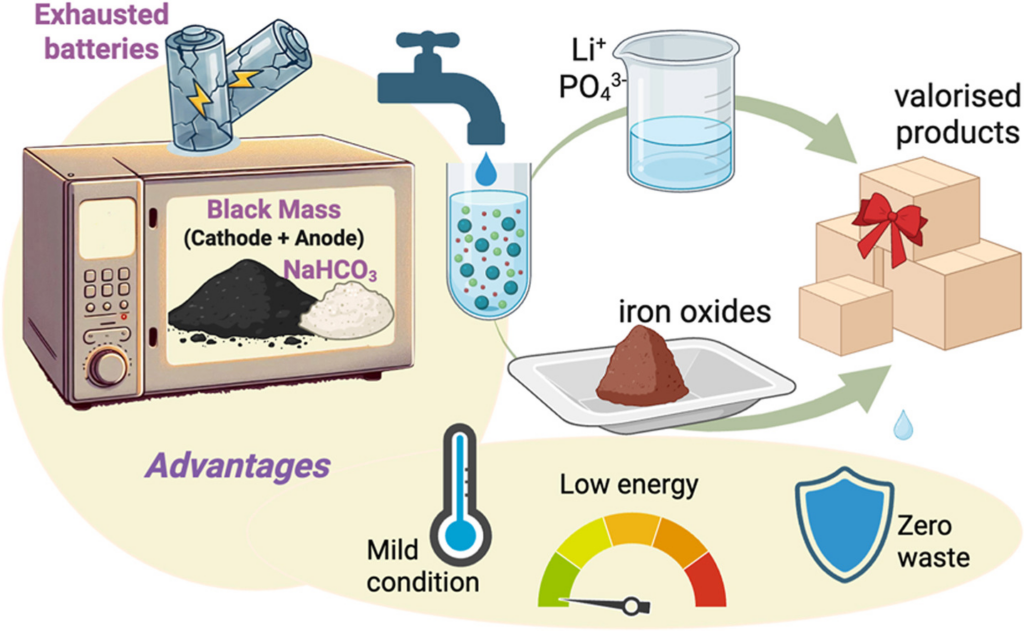
- 15. Dual-stream valorization of spent LFP black mass via microwave-assisted NaHCO3 treatment: lithium phosphate-rich leachate and reusable iron-rich residue, Journal of Cleaner Production 2026;
https://doi.org/10.1016/j.jclepro.2026.148821 - Abstract: The recycling of valuable elements and compounds from lithium iron phosphate (LFP) batteries remains challenging due to the low economic value of Fe–P components and the limitations of conventional pyrometallurgical, hydrometallurgical, and alkaline-based processes, which are often energy-intensive or reagent-demanding. In this work, a novel and sustainable treatment for LFP black mass is proposed, based on the synergistic combination of microwave irradiation in the presence of sodium bicarbonate. This approach promotes the controlled decomposition of the LFP structure under relatively mild conditions, inducing the simultaneous formation of water-leachable lithium and phosphorus species and the transformation of iron into stable oxide phases. NaHCO3 decomposition (CO2 release) further contributes to structural modification and enhanced reactivity. A subsequent water-leaching step enables the selective separation of a liquid fraction enriched in Li+ and PO43− from a solid residue mainly composed of iron oxides. Under the investigated conditions, a lithium leaching efficiency of up to 45% was achieved with an 88% recovery of PO43−. Compared to conventional routes, the proposed process offers a low-temperature, low-reagent alternative that combines selective lithium extraction with the potential valorization of iron-rich residues, highlighting its dual functionality and providing a basis for further optimization toward higher recovery yields.
- 16. Chemical Risk Assessment in Black Mass Processing Facilities: Addressing Safety in a Critical and Emerging Industry, Advanced Energy and Sustainability Research 2026; https://doi.org/10.1002/aesr.70241
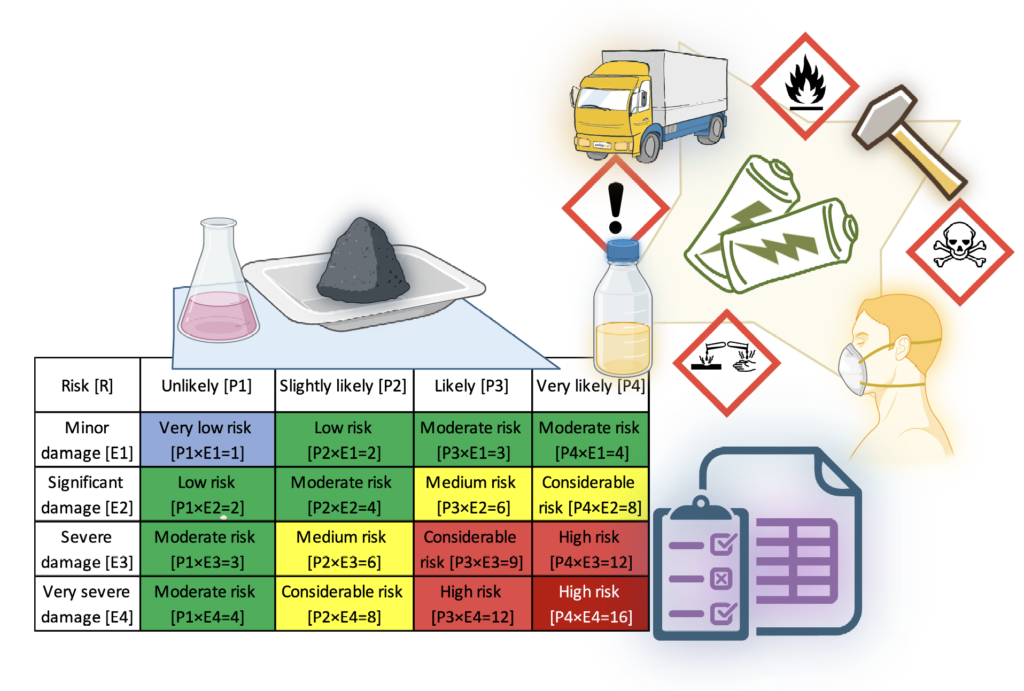
- Abstract: Black mass (BM), the key intermediate product in lithium-ion battery (LIB) recycling, exhibits a complex hazard profile due to its heterogeneous composition, fine particle size, and reactive electrolyte residues. Despite its industrial relevance and recent classification as hazardous waste under EU Regulation 1357/2014, a structured chemical risk assessment (CRA) framework tailored to BM-handling facilities is still lacking. This study introduces the first scenario-based CRA methodology developed specifically for BM processing environments. Seven representative operational scenarios were defined to cover the complete BM lifecycle, from battery collection and preliminary storage to mechanical treatment, hydrometallurgical processing, thermal operations, and laboratory-scale activities. For each scenario, chemical hazards were identified using CLP hazard statements and BM composition data, while probability and severity were quantified through a semi-quantitative matrix aligned with ISO 31010 and EN ISO 12100. Application to two representative case studies, laboratory-scale BM handling and industrial BM production, demonstrates the contrasting nature of risks across operational contexts. Laboratory operations are dominated by high exposure probability due to manual handling of powders, whereas industrial scenarios exhibit lower frequency but higher severity linked to combustible dust formation, HF release, and mechanical ignition sources. The framework enables prioritization of hazards, supports targeted mitigation, and provides an operational basis for BM-specific safety protocols. As the EU Battery Regulation expands recycling obligations, such tailored CRA approaches will be essential for ensuring the safe and sustainable scaling of BM processing.
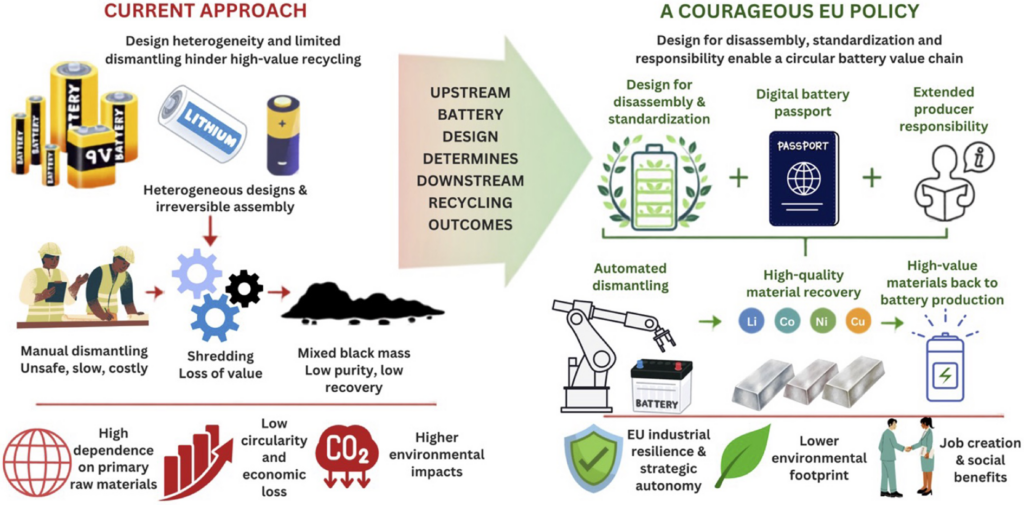
- 17. Towards a courageous EU policy for recycling spent lithium-ion batteries: rethinking dismantling, standardization, and responsibility, EES Batteries (2026) 2026; https://doi.org/10.1039/d6eb00060f
- Abstract: The rapid expansion of electric mobility across Europe is generating, and is expected to generate, unprecedented volumes of end-of-life lithium-ion batteries (LIBs), exposing structural weaknesses in the European Union’s regulatory and industrial framework for battery recycling. We have crossed the point at which electric vehicles, for the first time, have out-sold petrol vehicles in Europe. Recent EU initiatives, including the Batteries Regulation, introduce significant advances, including carbon footprint reporting, mandatory recycled content, digital battery passports, sustainability and circularity requirements, and stronger extended producer responsibility. The heterogeneity of battery designs is widely recognized as a key constraint affecting dismantling efficiency, automation feasibility, and material recovery outcomes. These design issues directly impede automation, depress material recovery yields, and undermine the EU’s circular economy and industrial sovereignty objectives. Drawing on assertive industrial policies, this paper argues that the EU should adopt a bolder stance. It proposes the introduction of harmonised design-for-disassembly requirements for all batteries placed on the EU internal market, alongside a reform of Extended Producer Responsibility and waste classification to recognise spent batteries as strategic secondary raw materials. It also calls for the development of publicly supported robotised dismantling hubs. The paper argues that the main limitation of current EU battery policy lies not only in downstream recycling performance, but more fundamentally in the absence of binding upstream design requirements that determine whether dismantling, and therefore high-quality recycling, can be technically and economically achieved.